Healthy Breakfast Ideas for Moms After Childbirth
Here are a few quick, easy, but healthy breakfast ideas for new moms, including ones that can be shared with your little one.

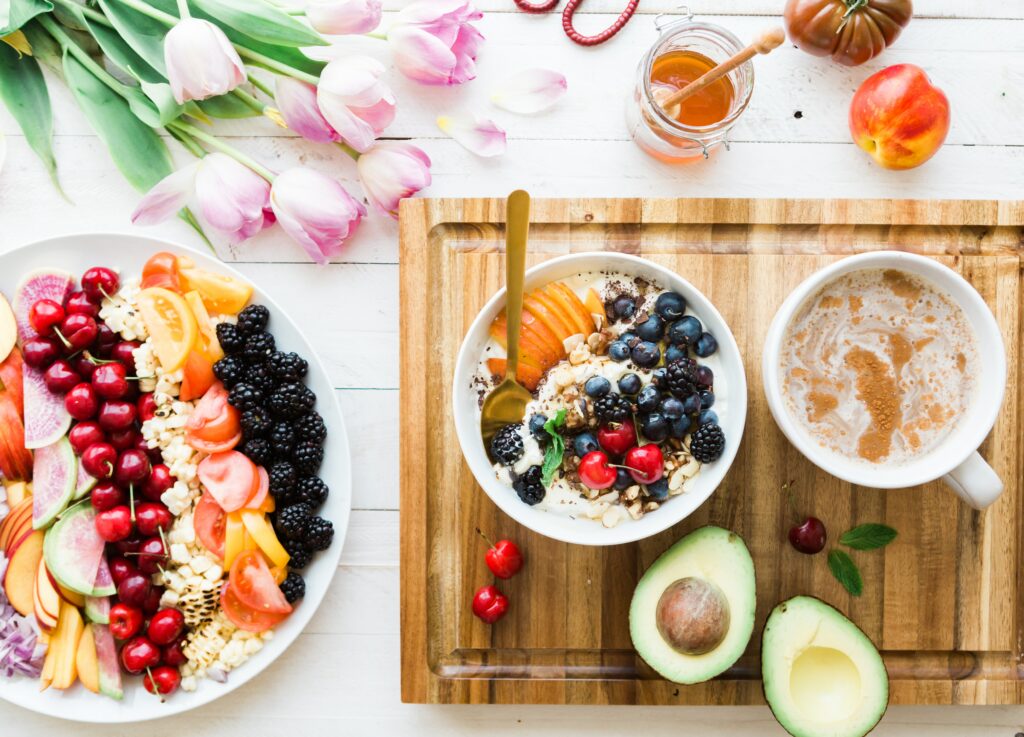
Once you become a mother, all of a sudden, your primary interests are that of your newborn child, so much so that new parents sometimes forget to feed themselves. Nutrition-wise, after childbirth, a mother actually needs to start eating a little more, not less, as you need the extra energy to aid
recovery post-childbirth (especially if you’re breastfeeding!) 1 .
After all, they say breakfast is the most important meal of the day, and that’s largely true. Without being too scientific, it gives you the necessary energy to start the day off properly. With that in mind, here are 3 healthy breakfast ideas, plus a little tip if you plan on letting your little ones nab a taste!
Overnight Oats
Eating oats is a fantastic way to start your day. Going beyond the health benefits of lowering blood sugar levels and reducing the risk of heart disease, they are also packed with B vitamins and lots of different minerals and are yummy and versatile.
You can either be a really organised meal planner and make the overnight oats yourself (which is quite simple!) or you can buy a pre-made mix. Both of these are good options but making them yourself can be quite gratifying. It can be something you prep overnight and eat in the morning.
There are so many flavours to choose from, and that’s why it’s such a great idea. You could go for:
- Vanilla and strawberries
- Peanut butter and jelly
- Spiced pear
- Chia, almond, and berries
These – plus many more. There is a ton of choice, just think of two main component ingredients you’d enjoy, and build on it from there.
Avocado Toast
Over the last decade especially, this has become a popular option, not only for new mothers but also for health-oriented people in general. For good reason too, it is a very simple dish that allows you to add any ingredient you may be craving. For extra protein, some people like to add poached or fried eggs, while others like to add extra veggies such as tomatoes, onions, radishes, etc.
It’s really up to you, what do you think would go nicely with avocado? Feel free to get creative but try to stay healthy when doing so by using topping such as seeds, chilli flakes, etc. This means you can add variety to your breakfast, without compromising on nutrition. You can either slice or mash your avocado. When making this recipe, it could be a neat way of introducing your baby to avocado as a food. As soon as your baby can eat solids, which is typically 6 months after birth, start cutting your avocado into slices (the same way you’d slice an apple), and feed a couple of them to your baby.
Although, be ready for some burps! Due to the good fats and essential fibre in avocado, the rate of digestion for the food is relatively high, and therefore the risk of gas being produced is higher 2 . Our go-to method of how to burp a baby is to simply hold your baby’s bottom with your left arm and pat the baby’s back gently with your right arm, which will usually do the trick and get that gas out safely.
Tip: If you’re looking for a more in-depth guide on how to burp a baby (with more methods if the one we mentioned didn’t work!), click here.
Yogurt Parfait
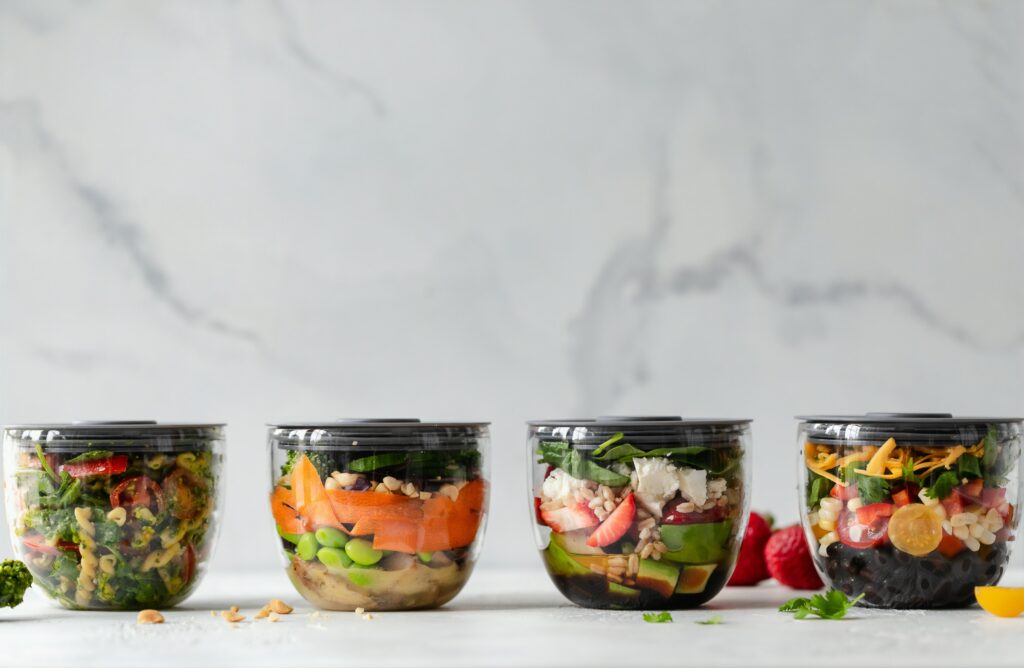
To finish with a fun and super easy healthy breakfast idea – yogurt parfait. While a yogurt bowl is a good alternative in a pinch, turning one into a parfait might not be as challenging as you’d think. Just grab your yogurt of choice (Greek yogurt is preferred due to it being rather a nutritious option), and layer it in a bowl or jar full of berries, oats, and fruit of your choice. Although, to keep it quick, choose fruits that you don’t have to slice.
It’s as simple as that for this idea! Just make sure to pat your berries or fruit of choice dry before putting them in the bowl or jar, as we don’t want any excess liquids making their way into the parfait.
Overall, a healthy breakfast can help a new mother start their day in the best way possible, full of energy. By trying out a few of these recipes, you’ll have a few in the memory bank that are easy to make, super tasty, and most importantly, very healthy!
1 Food and Nutrition for New Moms After Childbirth, WebMD
2 Are avocados high in fat?, British Heart Foundation