Categories
Column Food Health

The Hidden Costs of Convenience: Food Additives and Your Health

Walk down any supermarket aisle and you’ll see an endless parade of brightly packaged foods promising flavour, shelf life, and convenience. But read the ingredient list and you’ll find a chemistry lab of additives—preservatives, colourings, flavour enhancers, emulsifiers. These aren’t just flavour tweaks or aesthetic upgrades. Many food additives have real health implications, especially when consumed regularly over time. Let’s be clear: not all food additives are harmful. Some, like ascorbic acid (vitamin C) or citric acid, are safe and even beneficial. Others serve a clear purpose—preserving food from bacterial growth, improving texture, or preventing spoilage. But the problem begins with overuse, poor regulation, and a food system built around processed products instead of real nutrition.

Take sodium nitrite, found in processed meats like bacon, hot dogs, and deli slices. It preserves colour and flavour—but when exposed to high heat (like frying), it can form nitrosamines, compounds linked to cancer. The World Health Organization has classified processed meats as carcinogenic, partly due to these additives. Then there’s monosodium glutamate (MSG), used to enhance flavour in soups, snacks, and frozen meals. While research hasn’t proven MSG is universally harmful, some people report symptoms like headaches, nausea, or rapid heartbeat after consuming it—a reaction often called “MSG symptom complex.”

Artificial colours, like Red 40 and Yellow 5, are another concern. These are banned or restricted in some countries, but still widely used in the U.S. Some studies have linked them to hyperactivity in children, prompting warning labels in Europe. While the evidence is mixed, the fact that they’re synthetic petroleum derivatives is reason enough to question their long-term safety. What about emulsifiers like carboxymethylcellulose and polysorbate 80, used to keep sauces smooth and ice cream creamy? Emerging research suggests they may disrupt gut bacteria and promote inflammation—a precursor to obesity, metabolic disorders, and even colon cancer.

Part of the problem lies in cumulative exposure. One snack here, one soda there—it doesn’t seem like much. But these chemicals can build up in our systems, especially when our diets rely heavily on ultra-processed foods. The average American gets more than half their daily calories from such products. That’s a lot of additives. Labelling laws don’t always help. Food companies are only required to list ingredients by weight, and “natural flavours” can mean almost anything. Even products marketed as “healthy” often contain synthetic additives to enhance taste or appearance.

So, what’s the solution? It’s not panic, but awareness. Read labels. Cook more from scratch. Eat foods that rot—because that means they’re real. Push for better transparency and stronger regulations. Additives aren’t going away, but we can choose how much we let them into our bodies. Convenience shouldn’t come at the cost of long-term health. And the more we demand better from our food system, the more likely we are to get it.

Published in the Peebleshire News on 4th July 2025
Categories
Column

Impact of food on Mental Health

In Scotland, the intricate relationship between diet and mental health is gaining increasing attention, particularly in the context of rising food insecurity and the prevalence of ultra-processed foods. Recent research underscores how nutrition profoundly influences psychological well-being, with implications spanning from individual health to broader public policy.

Food insecurity has emerged as a significant concern in Scotland, with profound effects on mental health. A 2024 report by The Food Foundation revealed that individuals experiencing food insecurity are more than twice as likely to suffer from mental health conditions, including anxiety and depression. The stress of uncertain access to nutritious food exacerbates psychological distress, creating a vicious cycle that is challenging to break. The situation is particularly dire among students. A study by the Mental Health Foundation found that over half of Scottish college students reported moderate to severe depression symptoms, with 37% experiencing food insecurity in the previous year. Among those facing food insecurity, a quarter exhibited severe depression symptoms, highlighting the direct impact of inadequate nutrition on mental well-being. Beyond access to food, the quality of one’s diet plays a crucial role in mental health. Ultra-processed foods (UPFs), which are high in sugars, salts, and unhealthy fats, constitute over half of the average Scottish diet. These foods are linked to increased risks of depression, anxiety, and cognitive decline. Nutritional psychiatry experts, like Felice Jacka, emphasize that diets rich in whole foods—such as fruits, vegetables, nuts, and fish—support better mental health outcomes by nourishing the gut microbiome and reducing inflammation. In Scotland, the affordability and accessibility of UPFs contribute to their prevalence, especially among low-income populations. This dietary pattern not only undermines physical health but also exacerbates mental health issues, reinforcing socioeconomic disparities.

Scotland is at the forefront of exploring the connection between metabolism and mental health. Researchers at the University of Edinburgh’s Hub for Metabolic Psychiatry are investigating how metabolic disturbances, such as those caused by poor diet and disrupted circadian rhythms, contribute to conditions like bipolar disorder. Preliminary studies suggest that ketogenic diets, which are high in fats and low in carbohydrates, may help stabilize mood and reduce depressive episodes in some individuals. Addressing the intersection of food and mental health requires comprehensive policy interventions. Advocates urge the Scottish Government to expand access to nutritious food through programs like Free School Meals and to consider the mental health implications of dietary policies. For instance, mandatory calorie labelling on menus has raised concerns about triggering eating disorders, highlighting the need for sensitive implementation of health initiatives.

Investing in mental health support services, particularly in educational institutions, and promoting public awareness about the importance of diet quality are essential steps toward improving mental well-being across Scotland. In conclusion, the interplay between food and mental health in Scotland is a multifaceted issue that demands coordinated efforts across healthcare, education, and policy sectors. By addressing food insecurity, promoting healthy dietary habits, and supporting innovative research, Scotland can make significant strides in enhancing the mental health of its population.

This column was published in the Peeblesshire News on Friday 3rd May 2025

Categories
Column Environment Food

Grow Your Own food

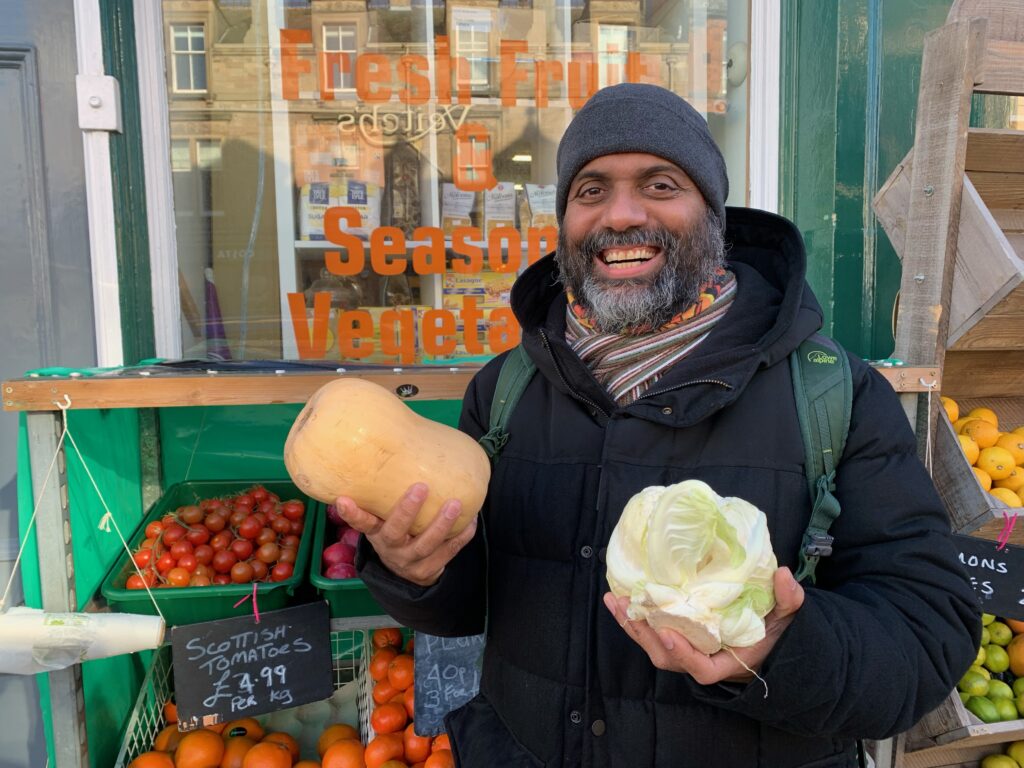
This week Bosco Santimano founder and executive director of social enterprise You Can Cook, shares his thoughts on why the council should invest in allotments to support small farms and residents in the Scottish Borders.

2025 is going to be another difficult year for many families and individuals who have seen not only their financial situation worsen but also their physical and mental health. Many will be forced to get their food via by Foodbanks across the UK. While food inflation has risen exponentially since the pandemic, citizens are less likely to have access to good wholesome foods at affordable prices.

The Scottish Borders is well placed to run small scale farms and other food related businesses and the local council should be providing startup investments for young people and local enterprises who are passionate about growing food and developing a thriving food industry locally so they don’t have to leave the region looking for work.

As of March 2025, the Scottish Borders region faces several challenges concerning allotments. There are significant number of overgrown and unused allotment plots, particularly at the Wilton Park Road site in Hawick, which have remained vacant and overgrown. This neglect has deterred potential gardeners, especially when plots become increasingly difficult to cultivate over time. This raises significant management and maintenance issues for allotment holders who have repeatedly expressed concerns over the lack of regular inspections and maintenance by Scottish Borders Council. Instances have been reported where plots have been left unattended for extended periods, leading to overgrowth and reduced appeal for prospective tenants.

There are development pressures in Peebles where allotment holders are contending with potential displacement due to development interests. Despite legal challenges and community opposition, the threat of losing these allotments to housing projects remains a pressing concern.

The demand for allotments continues to outstrip supply. For instance, in Peebles, the waiting period for an allotment at sites like The Gytes, Burgh Hall, and Moss Park is approximately three years. In Hawick, sites such as Guthrie Drive and Wilton Park Road have waiting periods of up to two years, indicating a need for more plots to accommodate interested residents. Addressing these challenges requires a collaborative approach involving local authorities, community organizations, and residents to ensure that allotments remain accessible, well-maintained, and protected from external development pressures.

Local elected councillors and MSPs should come together to work on long term solutions to alleviate food shortages and higher prices of essential commodities in the region. Party politics should take a back seat and elected representatives should work in partnership with local people, young and old, community groups, schools and social enterprises that put people first across the Scottish Borders.

Land to build houses can be found very quickly as profit motives drive this trend, but land for growing, that is another matter. We need to act quickly as current global events unfolding in front of us will keep having a detrimental impact on our health and well-being.

This column was published in the Peeblesshire News on Friday 21st March 2025

Categories
Column Food

Food Security

The UK imports over 60% of its food. Not a very clever strategy for any country that looks to be self-reliant and take back control of its borders. Government figures reveal that the UK relies on imports for roughly 40% of its food according to 2022 data.

Since Brexit we have been importing food from out with Europe, where animal welfare and safety are not to high standards. In desperation we are currently importing foods like meat and dairy products both processed and unprocessed from countries that do not have robust and strong regulatory institutions like our European counterparts and the UK. It’s mindboggling to see the direction of travel the country has taken since Brexit and the pandemic. I remember politicians and bureaucrats making talking points during the pandemic that a drastic change is needed to plan a new path forward for the country’s food security while also taking in to account the impact of climate change on our environment and food production. Once the politicians got the green light that the pandemic was over and citizens could go back to work, everything was instantly forgotten, the pain, suffering, desperation of millions were being sacrificed again for politicians and corporation to take advantage of the changed landscape.

Many locals across the country were growing their own food as they realised the folly of depending on imports to live a healthy lifestyle. Unfortunately, many of these enthusiastic new growers abandoned their motivation to go back and join the rat race of our modern economic system. Food growers, especially the young, should be inspired and encouraged to take on farming, not chemical farming i.e., growing food the natural way and without the use of expensive pesticides and fertilisers that often trap farmers into debt. These chemicals also poison our land, water and our ecosystem in the long term by causing health issues to not only the growers but consumers. Our education system is not fit for purpose and has not evolved over time. Many of you know that the current educational system was setup during the industrial revolution as companies needed cheap labour, hence the setting up of schools, followed by creche services to also include women. We were enticed into an economic lifestyle that ultimately benefitted the rich, while the poor were left to pick up the pieces of their now ruined social, family and financial health due to government resources ploughed into making the rich richer!

Can the council along-with the Scottish and UK governments work together with locals across the country rural or urban to provide subsidised land for growing? At the same time, can our educational regulators and institutions work together with professionals in the fields of food and growing to help support our young people take-up food as a subject in all its forms and introduce these topics in school curriculums?

Published in The Peeblesshire News on Friday 23rd August 2024

Categories
Column

Healthy Breakfast For New Moms

Healthy Breakfast Ideas for Moms After Childbirth


Here are a few quick, easy, but healthy breakfast ideas for new moms, including ones that can be shared with your little one.

New mom prepares avocado toast for breakfast with a young child.
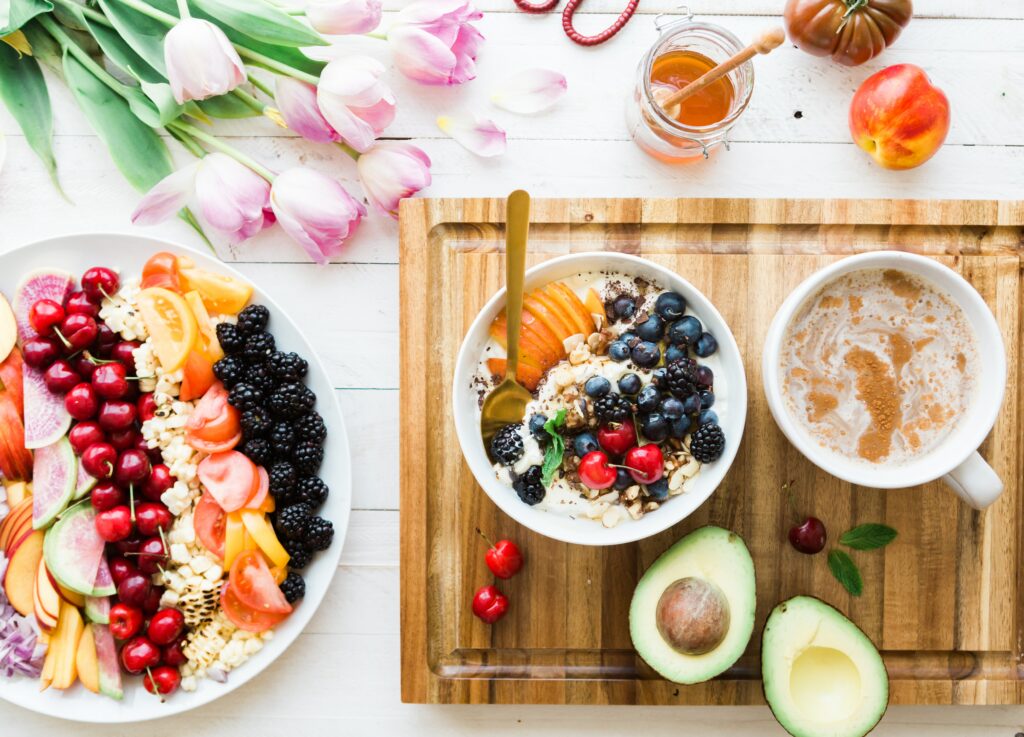
A collection of healthy breakfast options, including a big bowl of fruit, a bowl of fruit and oats, avocados, and a nectarine.

Once you become a mother, all of a sudden, your primary interests are that of your newborn child, so much so that new parents sometimes forget to feed themselves. Nutrition-wise, after childbirth, a mother actually needs to start eating a little more, not less, as you need the extra energy to aid
recovery post-childbirth (especially if you’re breastfeeding!) 1 .

After all, they say breakfast is the most important meal of the day, and that’s largely true. Without being too scientific, it gives you the necessary energy to start the day off properly. With that in mind, here are 3 healthy breakfast ideas, plus a little tip if you plan on letting your little ones nab a taste!

Overnight Oats

Eating oats is a fantastic way to start your day. Going beyond the health benefits of lowering blood sugar levels and reducing the risk of heart disease, they are also packed with B vitamins and lots of different minerals and are yummy and versatile.


You can either be a really organised meal planner and make the overnight oats yourself (which is quite simple!) or you can buy a pre-made mix. Both of these are good options but making them yourself can be quite gratifying. It can be something you prep overnight and eat in the morning.

There are so many flavours to choose from, and that’s why it’s such a great idea. You could go for:

  • Vanilla and strawberries
  • Peanut butter and jelly
  • Spiced pear
  • Chia, almond, and berries
    These – plus many more. There is a ton of choice, just think of two main component ingredients you’d enjoy, and build on it from there.

Avocado Toast

Over the last decade especially, this has become a popular option, not only for new mothers but also for health-oriented people in general. For good reason too, it is a very simple dish that allows you to add any ingredient you may be craving. For extra protein, some people like to add poached or fried eggs, while others like to add extra veggies such as tomatoes, onions, radishes, etc.


It’s really up to you, what do you think would go nicely with avocado? Feel free to get creative but try to stay healthy when doing so by using topping such as seeds, chilli flakes, etc. This means you can add variety to your breakfast, without compromising on nutrition. You can either slice or mash your avocado. When making this recipe, it could be a neat way of introducing your baby to avocado as a food. As soon as your baby can eat solids, which is typically 6 months after birth, start cutting your avocado into slices (the same way you’d slice an apple), and feed a couple of them to your baby.


Although, be ready for some burps! Due to the good fats and essential fibre in avocado, the rate of digestion for the food is relatively high, and therefore the risk of gas being produced is higher 2 . Our go-to method of how to burp a baby is to simply hold your baby’s bottom with your left arm and pat the baby’s back gently with your right arm, which will usually do the trick and get that gas out safely.


Tip: If you’re looking for a more in-depth guide on how to burp a baby (with more methods if the one we mentioned didn’t work!), click here.

Yogurt Parfait

To finish with a fun and super easy healthy breakfast idea – yogurt parfait. While a yogurt bowl is a good alternative in a pinch, turning one into a parfait might not be as challenging as you’d think. Just grab your yogurt of choice (Greek yogurt is preferred due to it being rather a nutritious option), and layer it in a bowl or jar full of berries, oats, and fruit of your choice. Although, to keep it quick, choose fruits that you don’t have to slice.

It’s as simple as that for this idea! Just make sure to pat your berries or fruit of choice dry before putting them in the bowl or jar, as we don’t want any excess liquids making their way into the parfait.

Overall, a healthy breakfast can help a new mother start their day in the best way possible, full of energy. By trying out a few of these recipes, you’ll have a few in the memory bank that are easy to make, super tasty, and most importantly, very healthy!

1 Food and Nutrition for New Moms After Childbirth, WebMD
2 Are avocados high in fat?, British Heart Foundation